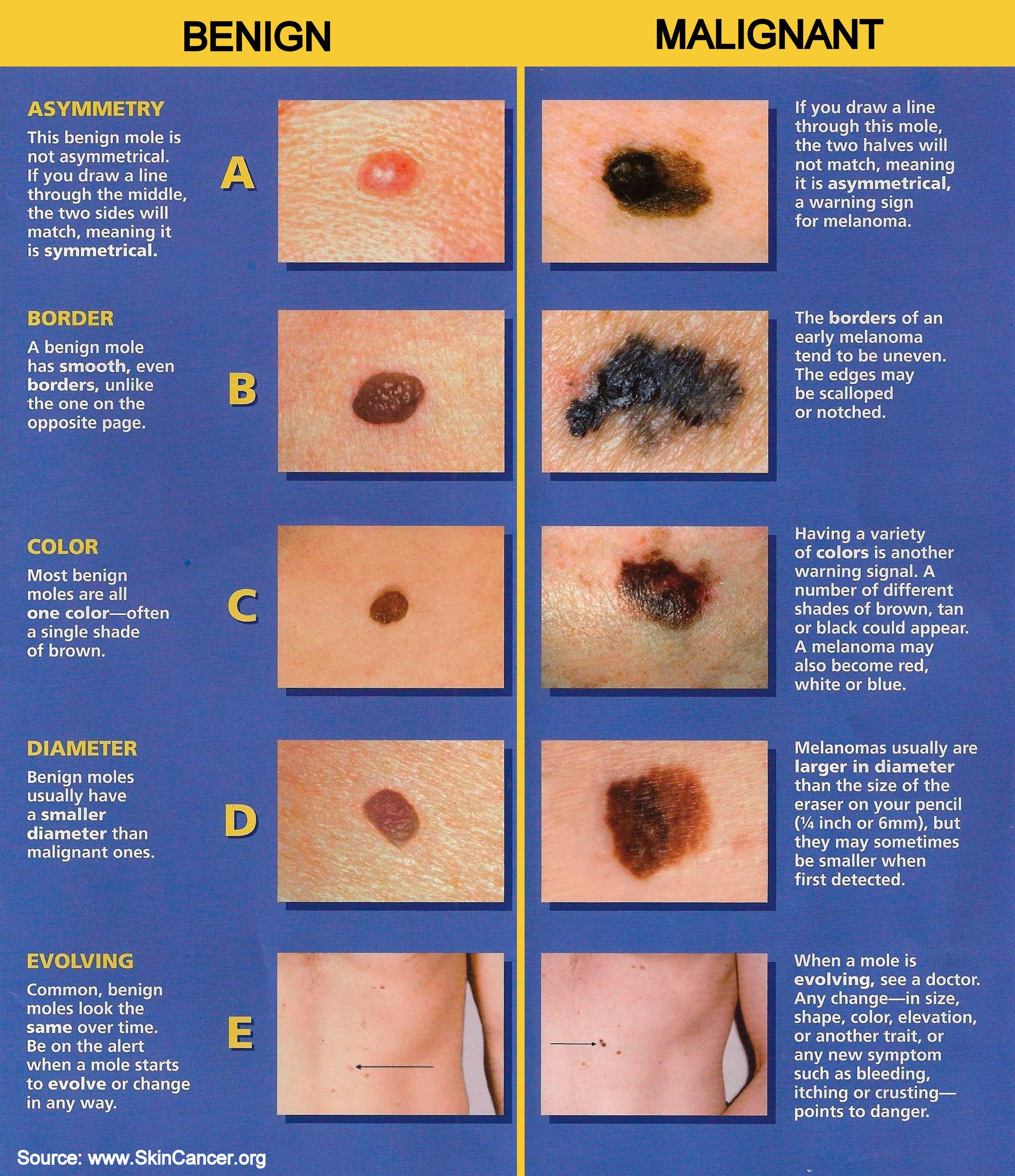
Why See A Skin Specialist For Mole And Skin Tag Elimination? We can assist distinguish which moles are benign and which are potentially malignant. Are there standard therapies that mainstream medical professionals make use of that lack evidence? We aren't excellent and frequently we develop treatments based upon what we were instructed as young physicians from older medical professionals, who, in turn, learned from their mentors. While some people attempt to eliminate skin tags at home using techniques like apple cider vinegar, tea tree oil, or dental floss, these methods are not advised. They can be inefficient and might lead Skin Specialist to infection, scarring, or irritation. It's constantly best to have actually skin tags gotten rid of by a healthcare specialist. The most essential clinical similarity between skin tags, excrescences, and moles is their benign nature. That means they're skin-deep, grow gradually and don't spread damages to various other components of the body if left by themselves. They additionally master lessening scarring, which is essential for skin tags on your neck. And skin specialists can accurately identify developments that are not skin tags. " Skin mole removal should only be done by a skin doctor or medical care company via an office procedure. Insurance coverage usually covers this, unless you're simply having it removed for cosmetic reasons," Mandernach says. Various types of regular moles or moles are not skin cancers. When they do, they look like a darkened place or mole, likewise known as a mole. They can be level (referred to as a junctional nevus) or raised (substance nevus) and are normally smaller than a pencil eraser with clearly specified sides. Shades vary from pink to brownish or black and the total form is round or oval. It is important to pay close attention to any type of moles and growths you discover and consult with the skin specialists at Trillium Creek Dermatology to determine if therapy is required. Different elements result in the appearance of moles on the skin. In some cases, they're genetic, indicating you can be birthed with a mole. Various other variables that might trigger moles consist of sunlight direct exposure, age, and medication responses. While moles and skin tags are typically benign, they can still have an influence on your appearance and, in some cases, your wellness. Recognizing when it may be suitable to think about mole or skin tag removal can aid you make an enlightened decision about your skin's health and appearance. Moles are benign skin developments significant for the excessive expansion of melanocytes-- the cells that generate the main skin pigment melanin. After a couple of secs of pain, you will discover that the target area is frozen. It takes a couple of minutes for your skin to return to normal temperature. Most significantly, if a mole is thought to be pre-cancerous early, it can commonly be completely removed before it creates a serious health and wellness risk. Although they can be unpleasant, skin tags are noncancerous and should not be trigger for issue. If their look bothers you or they scrub versus skin, jewelry or clothes, you can have them eliminated. Seeking skin tag removal from an experienced healthcare provider decreases the risk of complications and lessens scarring. Warts, moles, and skin tags each have distinct qualities that can aid set apart between them.
- The typical lesion is scaly, harsh, and dry, with distinct margins.You may additionally create lesions that resemble skin tags but are really malignant or premalignant.Gina Mandernach, oncology outreach coordinator at UnityPoint Health, clarifies various types of skin moles, why you need to frequently check them and removal choices.Yet often elimination is unworthy the danger, and if it is needed, we advise consulting your healthcare specialist.Genetics also plays a part because some people are much more susceptible to developing numerous moles, with or without considerable UV exposure.
Just How Is Mole Elimination Done?
As skin tags are generally safe, people have a tendency to have them gotten rid of for visual or aesthetic factors. Occasionally skin tags will certainly be gotten rid of due to inflammation where they catch on apparel or jewelry. Skin tags might likewise be gotten rid of because they disrupt routine skin treatment regimens like cutting.Who Would Certainly Best Represent An Excellent Prospect For Mole Elimination?
A skin tag, additionally known as an acrochordon, is a small, soft, flesh-colored or a little darker growth that hangs off the skin by a stalk. Skin tags are really usual, particularly in areas where skin scrubs together, such as the neck, armpits, groin, and eyelids. They are benign (non-cancerous) and generally do not cause any type of symptoms.What does a malignant skin tag feel like?
Skin Tags: These developments normally have a smooth and soft structure. Skin Cancer Development: Skin cancer sores may show irregular borders, crookedness, and a transforming texture, which can include locations that really feel rough or flaky.